
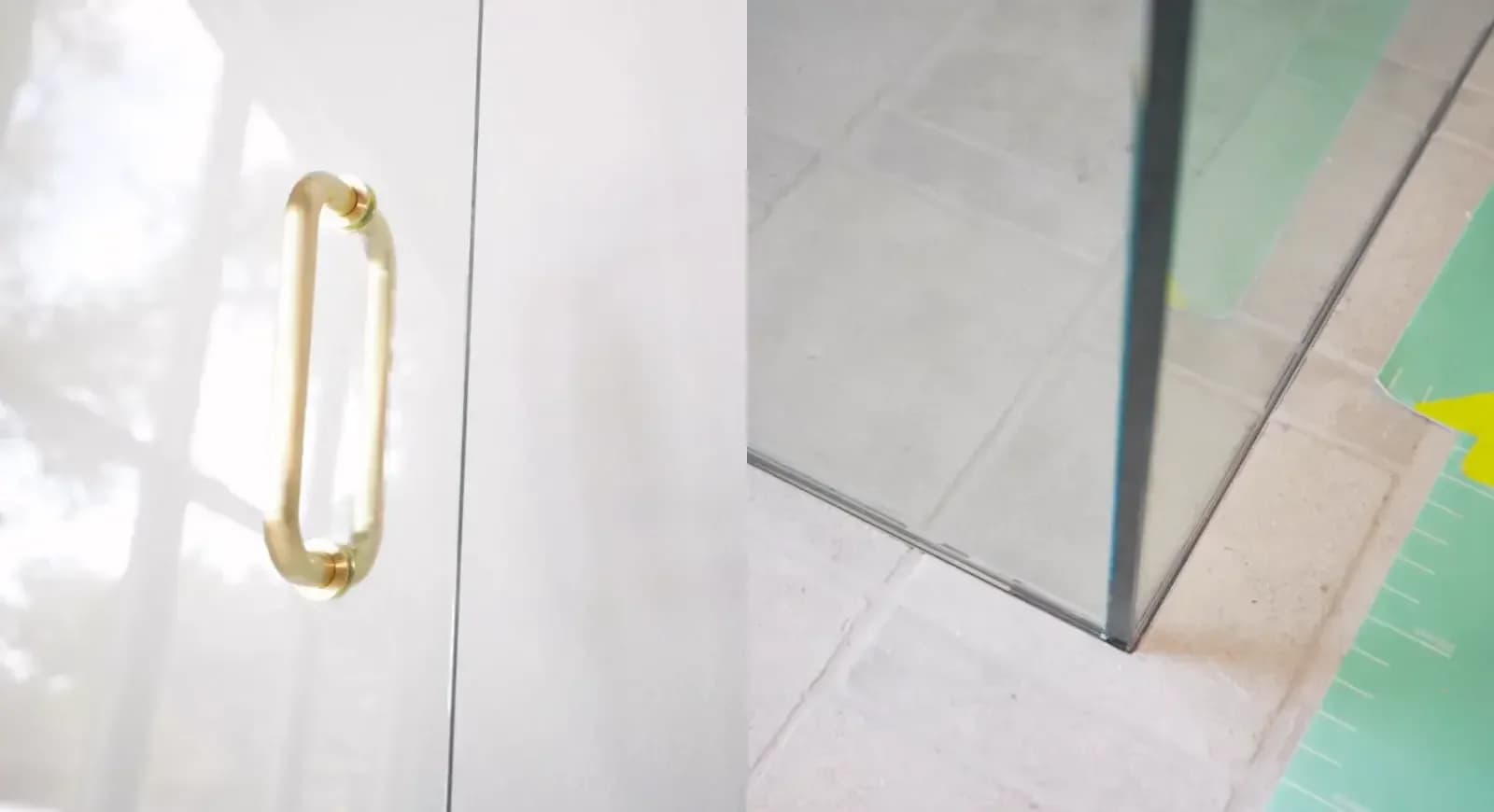

Choosing the right glass thickness is one of the most overlooked decisions homeowners face when planning a bathroom remodel. For anyone comparing frameless shower doors in Bee Cave, TX, the difference between 3/8 inch and 1/2 inch glass is not just a technical detail. It affects durability, sound, weight, cost of installation, and how the finished enclosure looks and feels every single day. This guide breaks down the practical differences so homeowners can make an informed choice before scheduling a shower door installation.
Frameless shower doors have become the standard for modern bathrooms across the Greater Austin area, and Bee Cave is no exception. Austin Shower Glass regularly fields questions from homeowners who are unsure which option suits their space, which is exactly the kind of guidance this article aims to provide. The clean lines, the absence of bulky metal frames, and the way light travels through clear glass shower doors all contribute to a spa-like atmosphere. But behind that sleek look sits an engineering question that many homeowners never think to ask until they are standing in a showroom: how thick should the glass actually be?
Why Glass Thickness Matters for Frameless Shower Doors
Unlike framed shower enclosures, which rely on aluminum or vinyl framing to hold the glass panels in place, frameless enclosures depend entirely on the glass itself for structural stability. There is no metal skeleton doing the heavy lifting. That means the glass has to be strong enough to stand on its own, resist flexing, and support the weight of hinges, handles, and hardware without cracking or warping over time.
This is where the 3/8 inch versus 1/2 inch debate becomes important. Both thicknesses are considered tempered safety glass, meaning they are heat-treated to shatter into small, blunt pieces rather than sharp shards if broken. But the way each thickness performs in a real bathroom setting can vary quite a bit depending on the size of the enclosure, the style of the door, and how the space is used day to day.
Homeowners researching custom shower glass options in Bee Cave often assume thicker is always better, but that is not necessarily true. The right choice depends on the specific configuration of the bathroom, not a blanket rule.
Comparing 3/8 Inch and 1/2 Inch Glass Shower Doors
Three-eighths inch glass is the more commonly used thickness for standard-sized frameless glass doors, particularly for smaller enclosures, single fixed panels, or doors paired with a wall return. It offers a good balance of strength and weight, making it easier to handle during installation and easier on the hinges over the long term. For many bathrooms, this thickness provides more than enough rigidity while keeping the overall enclosure lighter and more manageable.
Half-inch glass, on the other hand, is typically recommended for larger openings, wider doors, or enclosures that do not have a top rail or additional bracing. Because heavy glass shower doors of this thickness carry more mass, they tend to feel more substantial when opened and closed, and they resist flexing better across wider spans. This makes half-inch glass a popular choice for walk-in shower enclosures with expansive glass panels, where structural support from framing is minimal or nonexistent.
The tradeoff is weight. Half-inch glass is noticeably heavier than three-eighths inch, which means the hinges, tracks, and wall anchors all need to be rated appropriately to support that additional load. A poorly installed heavy glass door can sag over time, misalign, or put stress on the surrounding tile and drywall. This is one of the main reasons professional shower glass installation matters as much as the glass selection itself.
Weight, Support, and Hardware Considerations
When evaluating glass thickness, hardware compatibility deserves just as much attention as the glass itself. Hinges designed for lighter three-eighths inch panels are not always rated to carry half-inch glass safely. Wall-mounted brackets, U-channels, and clamps also need to match the thickness being installed, both in terms of load rating and the physical fit of the channel groove.
This is why many homeowners in Bee Cave choose to work with an experienced glass shower installer rather than attempting a do-it-yourself approach. Teams like Austin Shower Glass evaluate the full picture before recommending a thickness, including door width, panel configuration, wall material, and whether the enclosure will include a fixed panel, a swinging door, or a sliding configuration. Getting these details right up front prevents costly issues down the road, such as doors that do not close flush or panels that develop stress cracks from improper support.
A Voice From the Field
"There was a job a while back where a family had waited years to finally replace their old framed shower door, and when the new frameless glass panel was set into place and the light hit it for the first time, the homeowner just stood there and smiled. She said it finally felt like her bathroom, not just a room she used every morning. Moments like that are the reason this work feels meaningful. It is easy to forget that something as simple as clear glass can change how a person feels about their own home, but seeing that reaction in person never gets old."
That kind of reaction is common when homeowners upgrade from dated framed enclosures to a custom shower enclosure built around properly selected glass. The right thickness, paired with careful shower door installation, transforms not just the function of a bathroom but its overall feel.
Matching Glass Thickness to Bathroom Layout
Every bathroom is different, and glass thickness should never be chosen in isolation from the rest of the layout. A small guest bathroom with a compact stall might do perfectly well with three-eighths inch glass and a single hinged door. A primary bathroom with a sprawling walk-in shower, especially one without a curb or with a linear drain, often calls for half-inch glass to handle the wider spans and provide the visual weight that matches the scale of the room.
Bee Cave homes, many of which feature open, contemporary bathroom designs with large windows and natural stone finishes, tend to lean toward bigger, bolder glass shower enclosures. Austin Shower Glass has seen this trend grow steadily across the region as more homeowners move away from dated framed designs. In these settings, half-inch glass often makes more sense both structurally and aesthetically. The thicker profile holds its own visually against stone tile, large format porcelain, and other substantial design elements common in newer builds throughout the area.
Smaller, more traditional bathrooms found in older Bee Cave and greater Austin neighborhoods may not need that extra thickness. In these cases, three-eighths inch frameless shower doors can achieve the same modern, open look without adding unnecessary weight to a space that was not originally designed to support it.
Durability and Long-Term Performance
Both thicknesses are built to last when installed correctly, but there are some practical differences worth noting. Half-inch glass tends to feel more solid underhand, resists minor flexing better, and can sometimes reduce the perception of water splashing over the top of a door during use, simply because of how the extra mass affects the door's swing and closure.
Three-eighths inch glass, while lighter, is still a robust and widely trusted option, especially when paired with quality hardware and proper wall anchoring. For many standard shower door replacement projects, three-eighths inch remains the more cost-conscious and practical solution without sacrificing safety or longevity.
Neither thickness is inherently more prone to breakage when properly tempered and installed. Tempered glass, regardless of thickness, is engineered to withstand daily use, temperature changes, and typical bathroom conditions. The real differentiator between the two often comes down to span size, hardware requirements, and how the finished enclosure needs to perform structurally without a supporting frame.
Custom Solutions for Bee Cave Bathrooms
No two bathrooms are identical, which is why custom shower glass solutions are so valuable, and it is a principle Austin Shower Glass applies to every project it takes on. A one-size-fits-all approach rarely works well with frameless enclosures, since even small variations in wall alignment, floor level, or fixture placement can affect how a panel needs to be cut and fitted. Precise measurements, on-site evaluation, and thoughtful hardware selection all play a role in determining whether three-eighths or half-inch glass is the better fit.
Austin Shower Glass approaches every Bee Cave project with this level of attention, taking into account the specific dimensions of the space, the style of enclosure being requested, and how the finished product will be used on a daily basis. Whether the project involves a straightforward shower door replacement or a completely custom shower enclosure built from scratch, matching the glass thickness to the actual demands of the space is a foundational part of getting the result right.
Homeowners searching for Bee Cave shower doors or exploring options for a Bee Cave glass shower renovation should treat glass thickness as one of the first questions to address, right alongside style, hardware finish, and layout. It is a detail that quietly shapes the performance and appearance of the enclosure for years to come.
Making the Right Choice for a Lasting Installation
For those comparing bathroom glass doors and trying to decide between the two most common thicknesses, the decision ultimately comes down to the size and structure of the shower space, along with personal preference for how substantial the glass should feel. Larger, unsupported spans generally benefit from half-inch glass, while smaller or more traditionally framed layouts often perform just as well with three-eighths inch.
Austin Shower Glass continues to serve homeowners throughout Bee Cave and the surrounding region, helping them navigate these choices with practical guidance rather than guesswork. Austin frameless doors have grown in popularity precisely because they offer a clean, contemporary look that works across a wide range of home styles, and understanding the role of glass thickness is a key part of ensuring that look holds up beautifully over time.
Anyone planning a renovation involving glass shower enclosures, custom glass doors, or a full shower glass installation in Bee Cave can benefit from a professional assessment before committing to a thickness. Austin Shower Glass and similar experienced providers in the Austin shower glass industry are equipped to walk through these details, ensuring the finished frameless shower doors are not only beautiful but built to perform reliably for years of everyday use.